You Built the Fanbase. Now the Fanbase Is Eating You Alive.
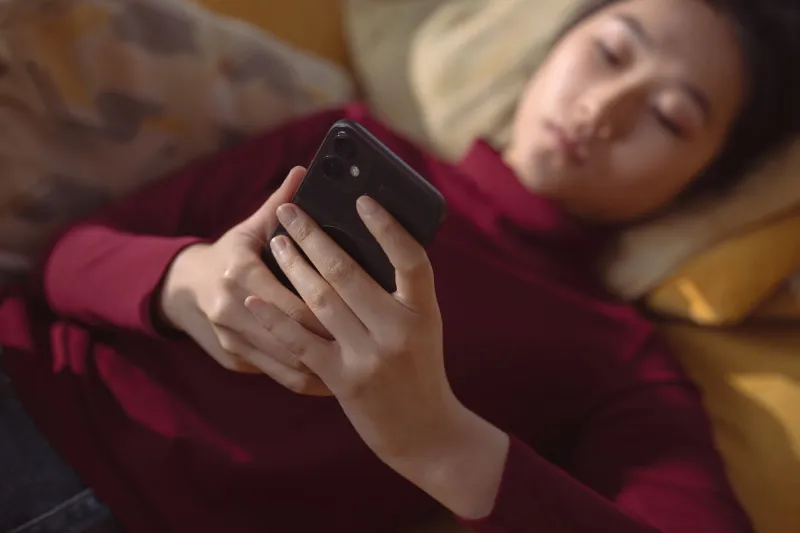
There's a specific kind of dread that TikTok creators know well. It's not the anxiety of posting into the void. It's not the sting of a video flopping after two hours of editing. It's the feeling of opening your notifications after a video blows up — and watching the comments section transform, in real time, from a celebration into something that looks a lot more like a courtroom.
You wanted engagement. Congratulations. You got it.
The Comments Section Was Supposed to Be the Dream
Let's rewind. When TikTok started pulling creators away from Instagram and YouTube, one of the biggest selling points was the comment culture. It felt alive in a way other platforms didn't. Creators could stitch replies, pin responses, heart individual comments, and build what genuinely felt like a two-way relationship with their audience. The intimacy was real. The parasocial bond was strong.
And that, as it turns out, is exactly the problem.
When an audience feels close to you — like they know you, like they've spent enough hours watching your face that they've developed opinions about your life choices — the comments stop being casual. They become personal. They become possessive. And when you do something that violates whatever unspoken contract your followers have invented in their heads, the same community that was cheering you on last Tuesday will absolutely not hesitate to make that known.
Loudly. Repeatedly. In nested reply threads that go forty comments deep.
"I Felt Like I Was on Trial Every Single Day"
Creators who've experienced rapid growth describe a specific tipping point — a moment when the comments section shifts from fun to suffocating. For Dani, a lifestyle creator based in Austin who asked us to use only her first name, that moment came after she posted a video about her morning routine.
"I mentioned I stopped drinking coffee," she told us. "That's it. That's the whole thing. And within twelve hours, people were in my comments accusing me of having an eating disorder, debating whether my skin looked different, tagging accounts that 'expose' creators, and arguing with each other about what I meant. I didn't say anything controversial. I just talked about switching to tea."
Dani turned off comments on that video. Then she turned them off on the next one. Then she started pre-moderating. Then she hired someone to do it for her. "The engagement metrics dropped," she said. "My manager was not thrilled. But I was sleeping again, so."
Her story isn't unusual. It's practically a rite of passage.
Why TikTok Comments Hit Different (And Not in a Good Way)
Platform psychologists and social media researchers have been paying attention to this dynamic, and what they're finding is that TikTok's design accelerates parasocial intensity in ways that older platforms simply don't.
The algorithm's hyper-personalization means that when TikTok decides you like a creator, it really decides you like them. You're not just seeing their viral posts — you're seeing their casual Tuesday videos, their half-asleep morning content, their vulnerable 2 AM uploads. Over time, that adds up to something that feels disturbingly like a friendship, even though the creator has no idea you exist.
Add in the comment reply feature, the duet and stitch tools, and the way TikTok surfaces comment drama as its own form of content, and you've built a machine that actively rewards emotional investment. The more unhinged your comment, the more replies it gets. The more replies it gets, the more people see it. The more people see it, the more the creator has to deal with it.
It's engagement bait with no off switch.
The "Parasocial Debt" Trap
Here's where it gets genuinely complicated: creators aren't just victims of toxic comment culture. Many of them — consciously or not — helped build it.
The raw, authentic, "this is the real me" content style that performs best on TikTok is the exact same style that encourages fans to feel like they're owed access. When you share your breakup, your mental health struggles, your family drama, your apartment tour — you're making a trade. Vulnerability for views. And the audience, whether they mean to or not, starts keeping score.
Creators who then set boundaries — who stop sharing certain things, who date someone new without announcing it, who take a break without explanation — get hit with a wave of comments that read less like fan disappointment and more like betrayal. "You changed." "What happened to the old you?" "I used to love this account."
It's a trap that's remarkably easy to fall into and remarkably hard to escape.
Going Nuclear: When Creators Fight Back
Some creators have decided they're done playing nice about it. Comment sections getting restricted, filtered, or nuked entirely has become increasingly common — and increasingly public. A handful of mid-size creators have posted videos about closing their comments, which, in a very TikTok twist, then generate massive engagement in the comments of those videos from people debating whether they have the right to do so.
Others have gone the opposite direction: leaning into the chaos, pinning the wildest comments, making content out of the drama itself. It's a survival strategy that works — right up until it doesn't, and the creator realizes they've accidentally made the toxicity part of their brand.
And then there are the ones who just leave. Quietly, or with a goodbye video that gets dissected in the comments for weeks after they're gone.
So What's the Fix?
Honestly? Nobody's totally sure. TikTok has rolled out comment filtering tools, keyword blocking, and moderation options — but the platform's fundamental architecture still rewards volume over quality. A thousand neutral comments and ten genuinely unhinged ones will still surface the unhinged ones, because those are the ones people reply to.
What's becoming clearer is that the mental health cost of maintaining an active TikTok comment section is a real, measurable thing — and the creators absorbing that cost are almost never compensated for it. The brand deal pays for the video. Nobody's cutting a check for the two hours you spent after posting it, reading things about yourself that you can't un-read.
The scroll never stops. The comments never sleep. And somewhere between the first viral video and the hundredth, a lot of creators are quietly asking themselves the same question:
Was the fanbase worth building if the fanbase is what breaks you?